Protect what cannot be replaced
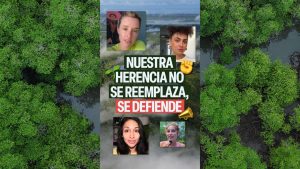
Today, March 22, marks World Water Day, which aims to raise awareness about the importance of preserving this precious resource. This year, the theme is “Water for peace.” Since the dawn of human civilization, water has brought people together, enabling them to trade, travel, and communicate. However, water has also divided people.
One-third of the world’s water resources are found in Latin America and the Caribbean.
166 million people lack access to safely managed water services.
70% of water in the region is used in food production.
45% of electricity comes from hydroelectric power.
Two-thirds of the population in the region lack access to safe sanitation.
On our planet, more than 3 billion people—26% of the population—lack access to clean water, and 3.6 billion—46%—lack access to safely managed sanitation, according to UNESCO reports from 2023. Moreover, this scarcity is expected to worsen in the coming years as climate change intensifies.
Israeli-Palestinian Conflict over Water
Water can also trigger conflicts. For decades, the battle for water has been at the center of the Israeli-Palestinian conflict. In the summer of 2016, tensions erupted into a full-blown crisis when numerous Palestinian villages and refugee camps ran out of water for days and had to import containers to meet basic needs. They awaited anxiously in the dead of night, hoping for water pressure to return to the pipes.
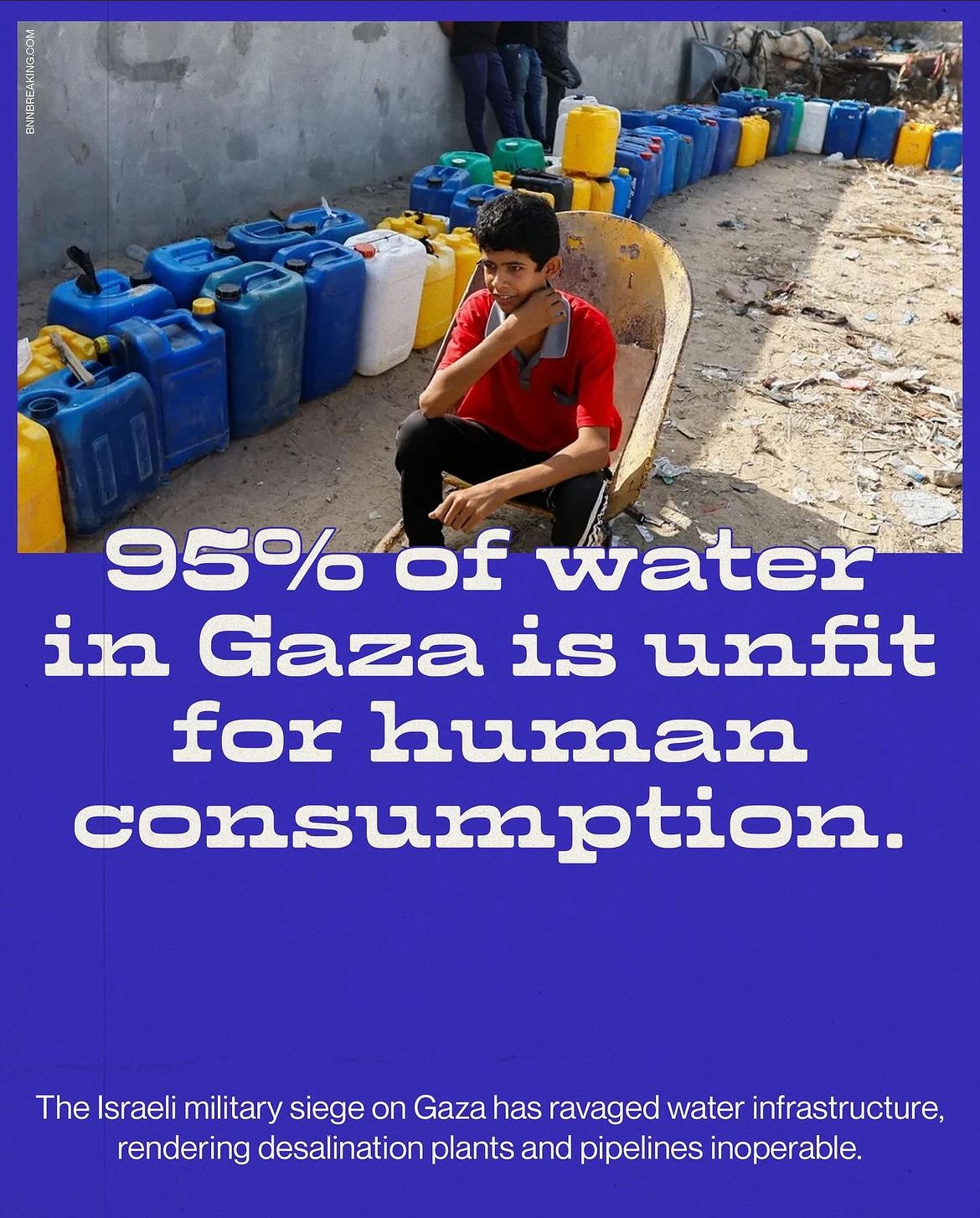
This crisis has been exacerbated by the current conflict, where 95% of the water in Gaza is unfit for human consumption. The Israeli military siege on Gaza has devastated water infrastructure, rendering desalination plants and pipelines inoperable. Nearly two million inhabitants of Gaza are at risk of disease and dehydration. The destruction of vital facilities, along with displacement and restricted access to water collection points, has exacerbated the crisis.
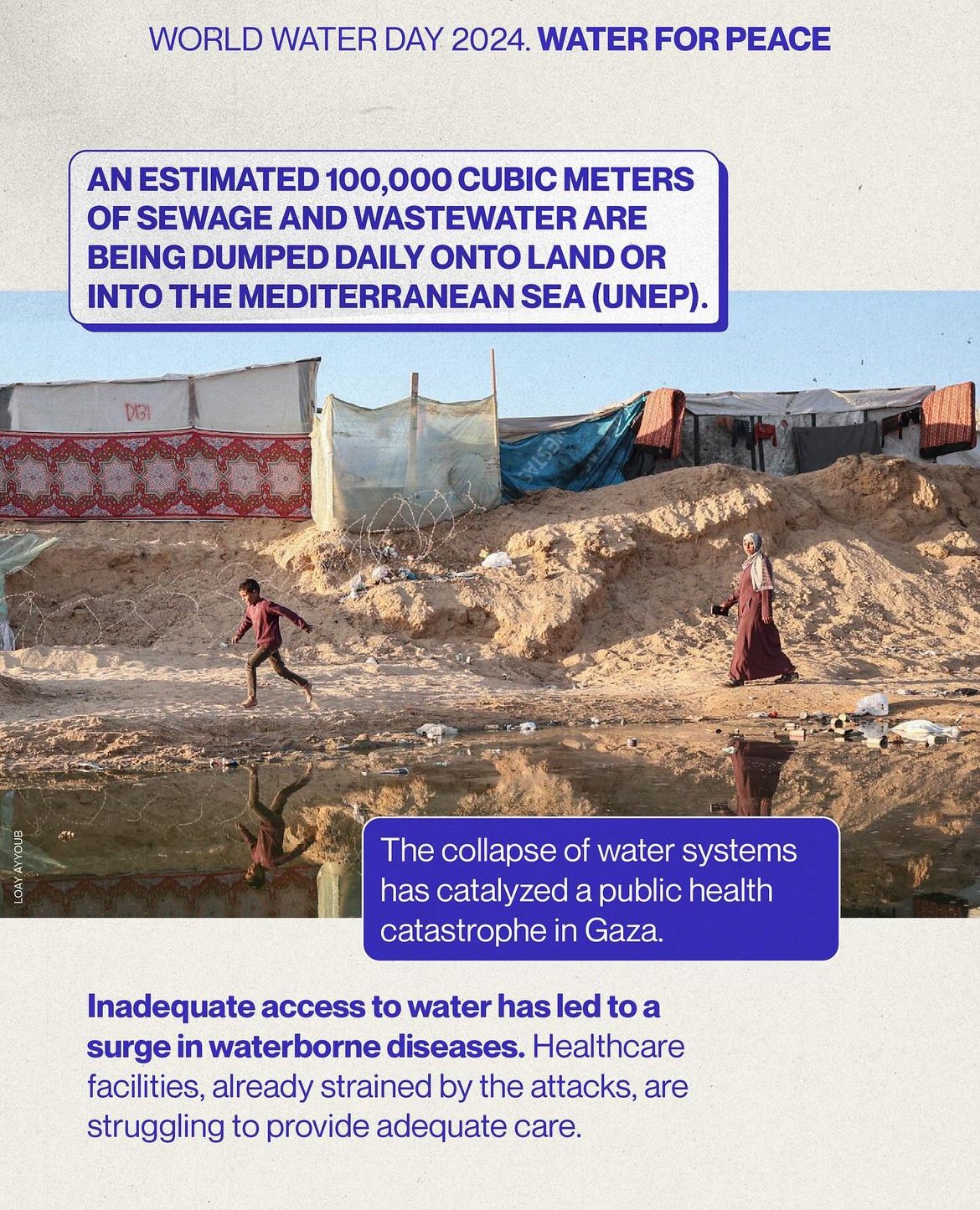
The collapse of water systems has led to a public health catastrophe in Gaza. Inadequate access to water has led to an increase in waterborne diseases. Health centers, already overwhelmed by attacks, are struggling to provide adequate care.
Creating a Positive Ripple Effect
Around the world, there are many examples of states mutually benefitting by sharing their water resources, reinforcing both peace and regional security. For example, the Indus Water Treaty serves as a model of cooperation, even surviving armed conflict between its parties, India and Pakistan. There are also practical agreements between South Africa and Lesotho, whereby Lesotho provides water to Johannesburg in exchange for financial assistance with water management. The largest global groundwater resource, the Guarani Aquifer, is well-managed among Argentina, Brazil, Paraguay, and Uruguay. In East Africa, Senegal, Mali, Mauritania, and Guinea have worked together to manage resources in the Senegal River basin since 1972.
When we cooperate on water matters, we create a positive ripple effect. The results can promote harmony, generate prosperity, and foster resilience against common challenges. We must act with the understanding that water is not just a resource to be exploited and competed for — it is a human right. On World Water Day, it is imperative that we all come together around water and use it to promote peace, laying the groundwork for a more stable and prosperous future.
Water matters!
It can create prosperity and peace
And solve global crises.

Source United Nations: Water for Peace
Source El País: Agua Santa the Palestinian-Israeli conflict over water
Fountain Water for Peace