
Protect what cannot be replaced

They are chemical products manufactured by agrochemical companies, such as Syngenta and Bayer, to eradicate pests (pesticides) and improve soil fertility (fertilizers).
Industrial farming relies heavily on the use of chemicals to increase crop yields and agricultural productivity.
To maximize profits, industrial farmers grow large-scale monoculture crops in the smallest areas possible on the same land year after year. This method of farming exhausts the nutrients in the soil and decreases crops’ resilience to pests and diseases, necessitating the large-scale use of chemical fertilizers and pesticides.
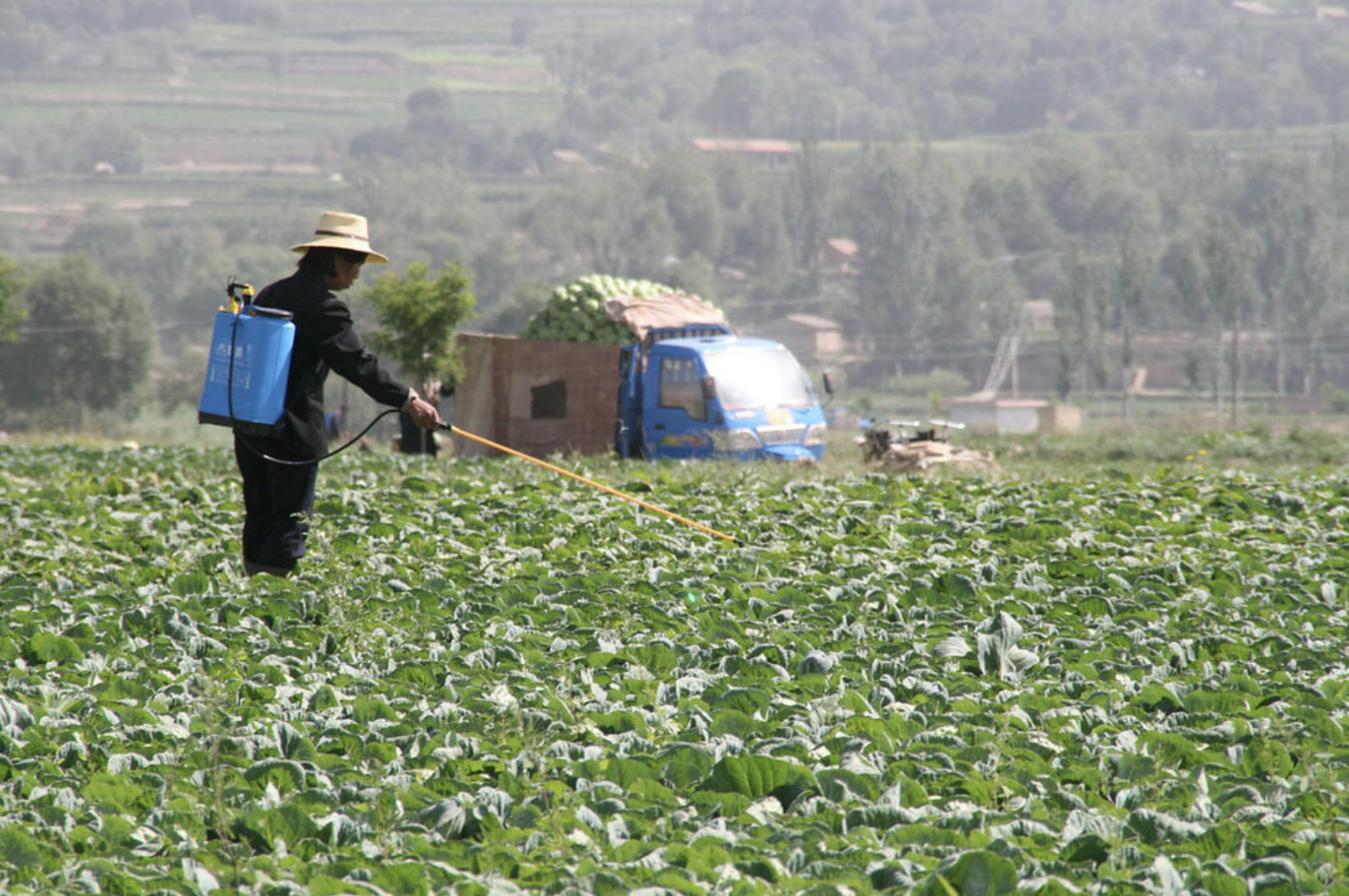
Glyphosate is the active ingredient in Round-Up – one of the most-used herbicides in the world. Developed by Monsanto (bought by Bayer in 2018), glyphosate is used by farmers to kill off troublesome weeds. However, glyphosate can also harm food crops. To combat this problem, Monsanto developed genetically modified glyphosate-resistant seeds, including corn, cotton, and soybean. This allows farmers to spray their entire fields with herbicide without destroying the main crop.
Insects are another common problem for farmers. In response, agrichemical companies have developed neonicotinoids – powerful insecticides that destroy so-called pests, such as greenflies, by attacking their nerve cells.
Yes. Some of these chemicals have proven to be extremely harmful to people.
One of the most infamous is DDT (dichlorodiphenyltrichloroethane). First used to tackle insect-borne diseases like malaria, DDT became a popular insecticide used by farmers and gardeners. However, Rachel Carson’s famous 1962 book, Silent Spring, exposed its dangers. After four years of research, the former marine biologist demonstrated how the chemical could enter the food chain and amass in the fatty tissues of animals and humans, causing cancer.
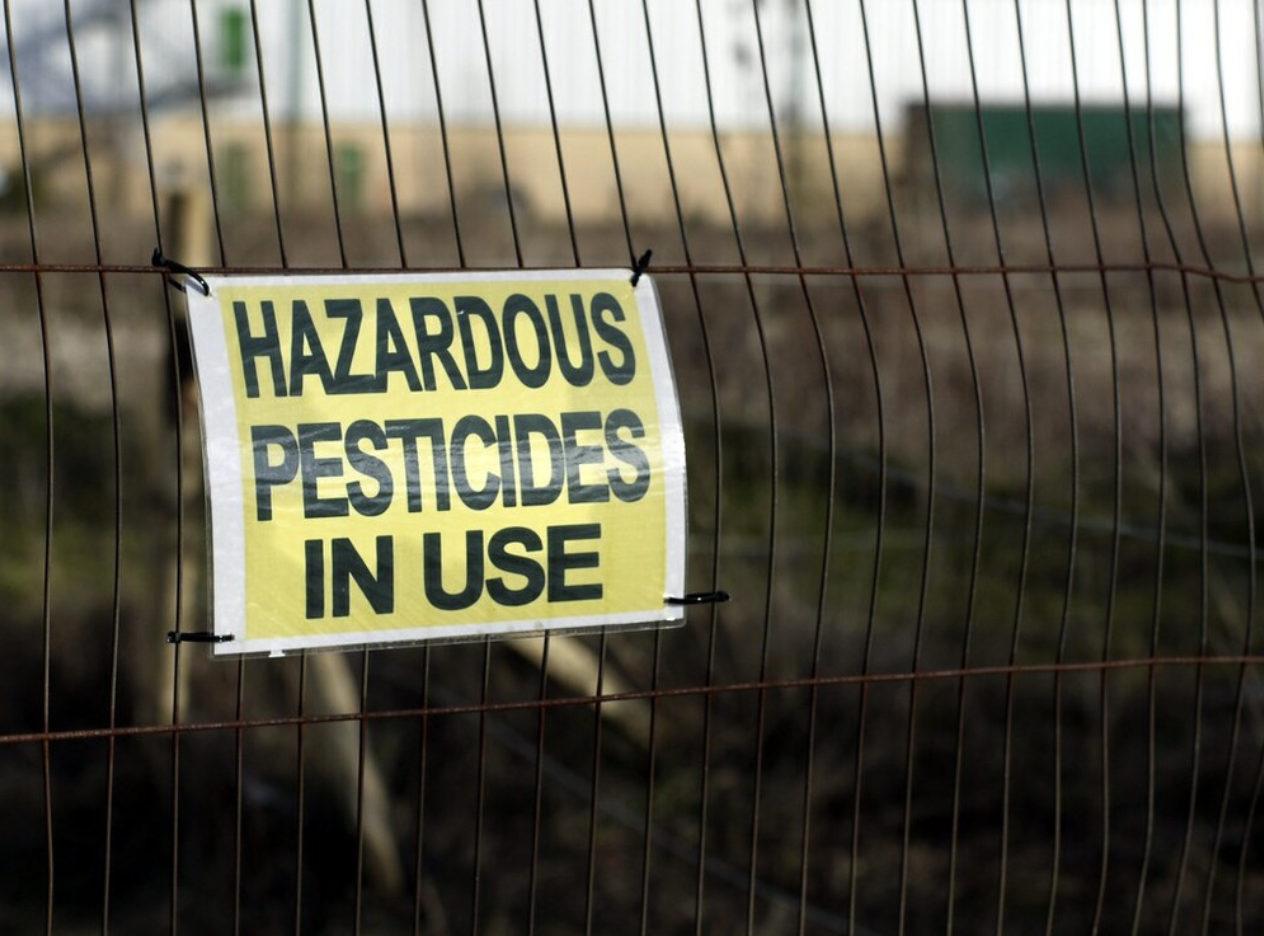
The science is less clear on glyphosate. In the United States, thousands of people, including farmers and gardeners, have filed lawsuits against Bayer (formerly Monsanto), claiming that they developed non-Hodgkin’s lymphoma, a type of blood cancer, as a result of using roundup and other glyphosate-based weed killers.
However, according to Bayer, hundreds of studies confirm that glyphosate is not cariogenic to humans and is safe to use. One 2018 paper published in the Journal of the National Cancer Institute concluded that no causal link was found between glyphosate and solid tumors. However, the study also noted that there may be an increased risk of acute myeloid leukemia, another type of blood cancer, among people who had experienced the highest levels of exposure.
Indeed, there are also many published papers showing how exposure to glyphosate increases the risk of cancer in humans. Research published in Mutation Research in 2019 found that high exposure to glyphosate can increase a person’s risk of developing non-Hodgkin’s lymphoma by up to 41 percent.
The European Food Safety Authority and US Environmental Agency continue to deem the weed killer safe to use, but the International Agency for Research on Cancer, which is part of the World Health Organization, has stated that glyphosate is ‘probably carcinogenic to humans.’
For many scientists, the most concerning impact of agrochemicals is on insects, whose global numbers are plummeting.
The impact of neonicotinoids on beneficial insects such as bees is under investigation. In a recent study published in Scientific Reports, researchers observed that neonicotinoids affected flies and bumblebees’ body clock and sleep. The insects’ inability to get a ‘good night’s sleep’ interfered with their ability to forage during the day.
Glyphosate may not directly impact bee populations, but there is a body of research that shows how it can subtly impact bees. A study by researchers at the University of Texas revealed that glyphosate affects honey bees’ beneficial gut bacteria, potentially impacting their health and ability to pollinate.
Dicamba, a type of weed killer, is also impacting bees. According to reports for the US, the herbicide is killing weeds essential to bees’ survival. A 2016 Ecotoxicology paper also concluded that exposure to dicamba increased the deaths of lady beetles.
Some, yes.
DDT is prohibited in the United States and many other countries. In 2018, the European Union banned three types of three neonicotinoids because of their threat to bees.
Glyphosate is prohibited in several other countriescounties worldwide, including in Europe. Although, the EU has approved its use until 2022.
In the United States, no federal law exists prohibiting glyphosate or neonicotinoids, but some states have banned them.